


At CBHS we help you manage your health challenges. We believe in offering you the services, support and tools you need to live your best life.
Health and Wellness Programs are available to support eligible members towards a healthier lifestyle. Each Health and Wellness Program is subject to its own eligibility criteria.
Contact us for more information and to confirm your eligibility for a program.
Children's eye health: Signs your child may need an eye test
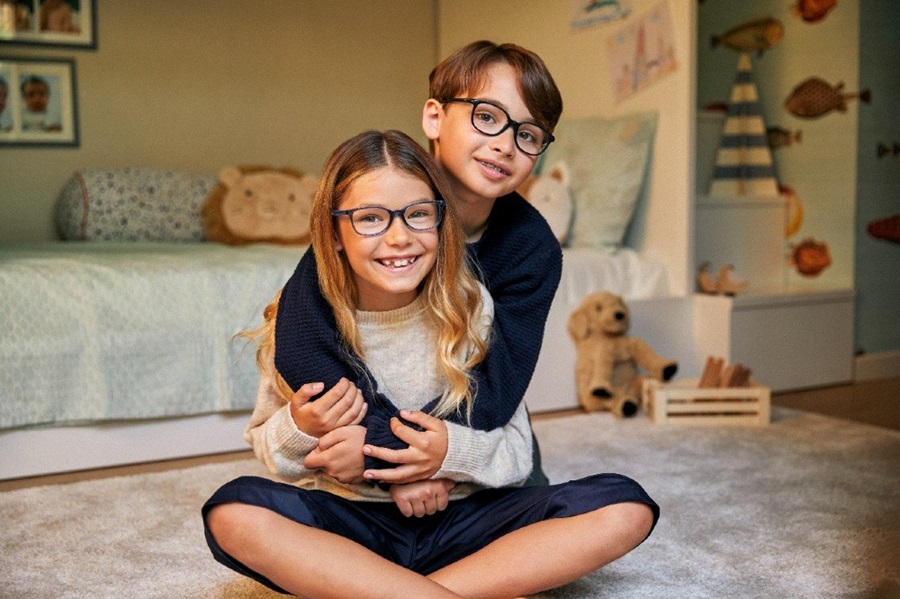
Children's eye health
Children should have regular eye tests, even if they are not showing obvious signs of vision problems. However, signs that a child may need an eye examination include squinting, sitting close to screens, frequent headaches, difficulty reading, or trouble seeing the classroom whiteboard. Early detection of conditions such as myopia (short-sightedness) can help support learning, confidence and long-term eye health.
As children grow, learn and explore the world around them, good vision plays a vital role in their development. From reading and writing in the classroom to participating in sport and spending time with friends, healthy eyesight supports confidence, learning and overall wellbeing. About 80% of learning in schools is presented visually, so that alone a big reason to consider regular testing for your precious kids!
Yet many vision problems can go unnoticed. Children often assume everyone sees the way they do, making it difficult for parents, carers and teachers to spot the signs of an underlying issue.
The growing impact of myopia in children
One of the most common vision conditions affecting children is myopia, also known as short-sightedness. Myopia rates among children are rising. According to a review of five years of Specsavers data, nearly 30% of children under 18 tested instore were found to have myopia, compared with just under 25% five years earlier.
Myopia causes distant objects to appear blurry while close-up objects remain clear. Children with myopia may struggle to see the whiteboard at school, recognise faces from a distance or follow activities in the classroom.
While genetics can play a role, lifestyle factors are also thought to contribute to the development and progression of myopia. Increased screen time and less time spent outdoors are commonly associated with rising rates of myopia in children worldwide.
Signs your child may need an eye test
Children don't always realise their vision isn't as clear as it should be. Some signs that may indicate an eye problem include:
- Sitting very close to screens or holding books close to their face
- Squinting
- Frequent headaches
- Rubbing their eyes regularly
- Complaining about blurred or double vision
- Difficulty concentrating at school
- Losing their place when reading
- Avoiding activities that require distance vision
Even if your child isn't showing any obvious symptoms, regular eye examinations can help detect issues early.
Why early detection matters
Undiagnosed vision problems can affect learning, confidence and joining in everyday activities.
Early identification of conditions such as myopia can help ensure children have access to appropriate treatment options. Regular eye tests also allow eye care professionals to monitor changes in vision as children grow. Conditions like myopia cannot be reversed, but current treatments can help to slow the progression and help to minimise more severe eye conditions in the future when started in childhood.
Kids can have an eye test before they can even read or talk, so it’s never too early to check, if you have concerns.
Supporting healthy vision habits
While regular eye tests are important, there are also simple steps families can take to help support children's eye health.
- Encourage outdoor play. Spending time outdoors has been linked to a reduced risk of developing myopia. Encouraging children to play outside each day not only benefits their eyesight but also supports their physical and mental wellbeing.
- Take screen breaks. Extended periods of close-up work, such as using tablets, phones, computers or reading, can place strain on young eyes. Moderate screen time in line with national guidelines by age.
- Create good reading environments. Ensure children have adequate lighting when reading, drawing or completing homework. Comfortable seating and proper posture can also help reduce eye strain.
No-gap optical at Specsavers
CBHS members with eligible Extras or packaged cover may be able to access two pairs of glasses with no gap through participating Specsavers stores, subject to annual limits, waiting periods, fund rules and cover eligibility. Check out more about our Specsavers member offers.
Specsavers also have a dedicated range of fun and practical kids’ glasses, with characters from Bluey, Minecraft, Disney and more, making them super palatable to little customers.
Frequently asked questions
At what age should children have their eyes tested?
Children can benefit from eye examinations even before they start school. Specsavers, our CBHS Choice Network partners, recommend that your child have their first eye test by the age of three. Testing before they begin full-time education means that any problems are identified early, setting them up for a happy and fulfilling school life. Your optometrist can recommend an appropriate testing schedule based on your child's age and needs.
Many daycares and preschools arrange eye tests for enrolled children either through State Government-funded eye screening or via private mobile optometry services. Check with your child’s centre to see if they have a program.
How are children’s eyes tested?
Kids’ eye tests are different from those for adults. Optometrists use specially designed charts that allow children to recognise shapes or pictures, or even to match letters, rather than the traditional letter charts you may have seen yourself.
What is myopia?
Myopia, or short-sightedness, is a condition that makes distant objects appear blurry while nearby objects remain clear.
Can myopia be treated?
While myopia cannot typically be reversed, an optometrist can recommend strategies and treatments to help correct vision and manage its progression.
How often should children have an eye test?
The frequency will vary depending on age, family history and any existing vision conditions. Your optometrist can advise on the most appropriate schedule for your child.
Are vision problems always obvious?
No. Many children adapt to poor vision and may not realise they are having difficulty seeing, which is why regular eye examinations are important. Vision problems can affect learning and behaviour, which can be easily mistaken for other things. This is especially true for young children, who may find it difficult to explain the difficulties they are having with their eyesight.
All information contained in this article is intended for general information purposes only. The information provided should not be relied upon as medical advice and does not supersede or replace a consultation with a suitably qualified healthcare professional.