


At CBHS we help you manage your health challenges. We believe in offering you the services, support and tools you need to live your best life.
Health and Wellness Programs are available to support eligible members towards a healthier lifestyle. Each Health and Wellness Program is subject to its own eligibility criteria.
Contact us for more information and to confirm your eligibility for a program.
Healthy snacking guide for your little ones

Finding the right snacks for kids can sometimes feel like a balancing act. You want something that’s quick and convenient but also nutritious enough to keep them energised and growing strong. In this guide, we’ll share practical tips to help you create healthier snack options that your little ones will love. Whether you’re dealing with picky eaters or looking for ideas to make snack time more exciting, these strategies will ensure your child gets the nutrients they need—without compromising on taste.
Portion is key
Ensure your child’s snack portions are just enough to keep them satisfied until their next meal rather than as a meal replacement.

Beware of added sugars
Added sugars, often hidden under names like glucose syrup, raw sugar, and molasses, should be limited in snacks. Higher intakes of added sugars can lead to tooth decay and provide excess kilojoules with little nutritional value which can increase the risk of excessive weight gain. Natural sugars in fruits and dairy are better choices as they also contain beneficial nutrients. The fibre found in fruits and the protein found in dairy help keep their tummies fuller for longer and prevent energy dips.
Tips to reduce added sugar intake:
- Limit pre-packaged snacks and drinks high in added sugars, like lollies, cakes, muffins, and juice boxes.
- Choose plain yoghurt and add fruits for natural sweetness.
- Try sugar-free home-made muffins or pinwheels, rice cakes with cheese and tomato, or vegetable sticks with hummus or tzatziki dip.
Fibre is a friend
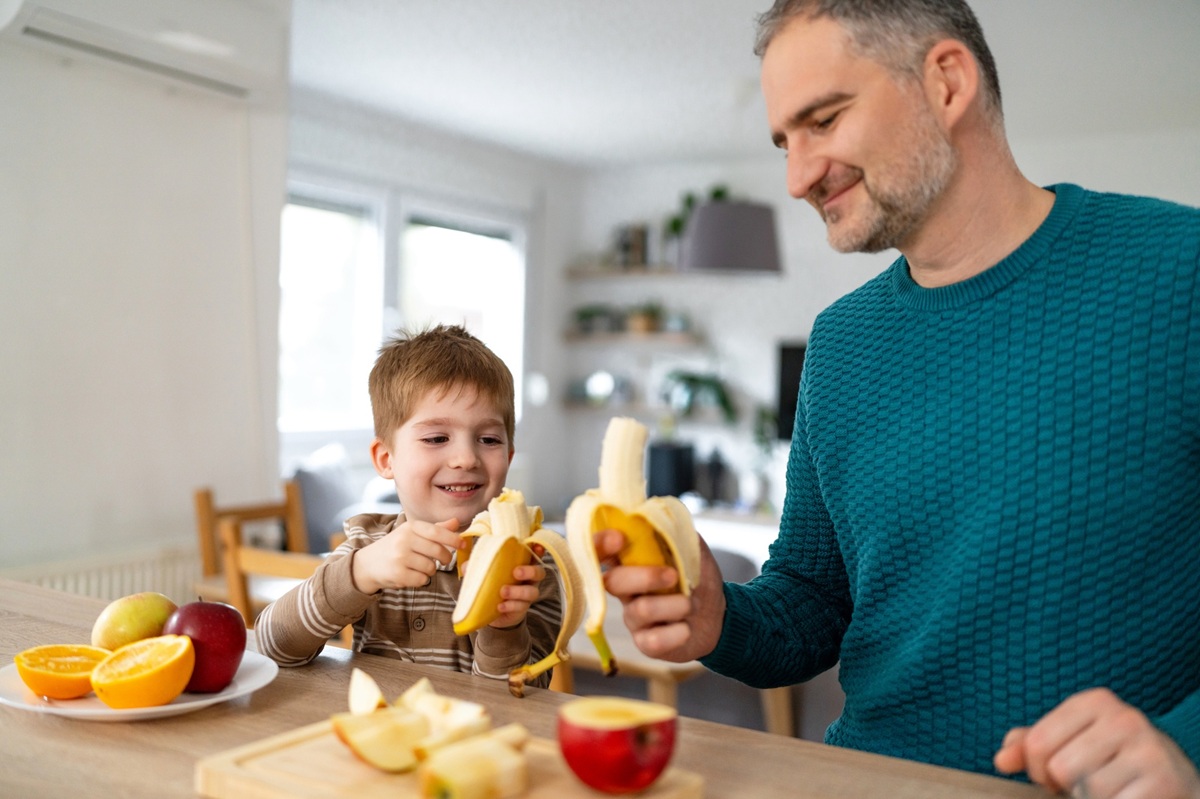
Fibre is essential for preventing constipation and feeding good gut microbes. Use snack times to boost fruit and vegetable intake. Pair fruits and veggies with Vita-Weat or Ryvita wholegrain crackers and add dairy or lean protein sources like ham, cheese, hummus, beetroot or tzatziki dip.
Protein for picky eaters
If your child is a picky eater or doesn’t eat much meat, don’t worry. Kids only need a small amount of protein daily: 14g for ages 1-3 and 20g for ages 4-8. Try protein-rich foods for meals and snacks to ensure they get an adequate intake. For example, one egg has about 7g of protein, and a cup of milk has 8g. Other good sources include cheese, yoghurt, legumes (e.g. chickpeas, lentils, baked beans), nut butters, hummus, or tofu.
By following these tips, you can ensure your little ones enjoy healthy, balanced snacks that support their growth and wellbeing.
All information contained in this article has been prepared by CBHS Health professionals and is intended for general information purposes only. The information provided should not be relied upon as medical advice and does not supersede or replace a consultation with a suitably qualified healthcare professional.
Sources:
https://www.aihw.gov.au/reports/children-youth/australias-children/contents/health/dental-health https://www.choice.com.au/babies-and-kids/feeding-children/making-healthy-choices/articles/sugar-in-packaged-toddler-foods
https://www.eatforhealth.gov.au/nutrient-reference-values/nutrients/protein