


At CBHS we help you manage your health challenges. We believe in offering you the services, support and tools you need to live your best life.
Health and Wellness Programs are available to support eligible members towards a healthier lifestyle. Each Health and Wellness Program is subject to its own eligibility criteria.
Contact us for more information and to confirm your eligibility for a program.
Savings tips for your grocery trips
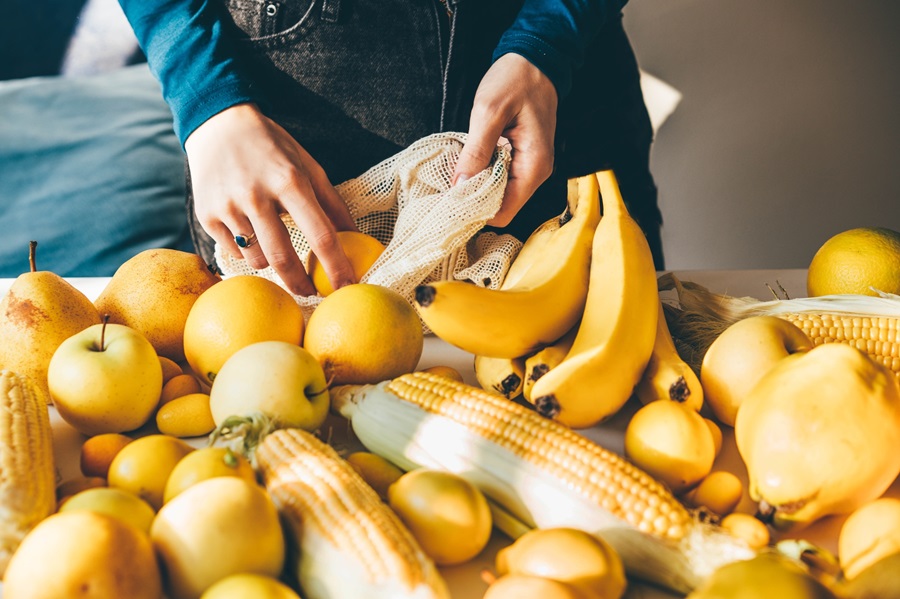
Feel like your grocery bill is costing more and more with every shop? Well, you’re not alone. According to a recent survey, the average weekly grocery bill has risen by a huge 11% in 2025. With the rising cost of living and increasing supermarket prices, your food bill can make up one of the largest parts of your weekly household expenses. However, there are small changes you can make to reduce extra costs, which can make a big impact on your overall budget.
Our team of dietitians and nutritionists share their top tips to help you save on your groceries, while still enjoying healthy, flavour-packed food. Let’s dive in!
Shop seasonally
The price of produce can fluctuate greatly throughout the year, depending on what’s in season, weather conditions and how far the food needs to travel before arriving at your local grocer or supermarket.
Purchasing fresh produce seasonally will not only help you save money on your grocery bill, but you’re also more likely to purchase high-quality produce as it’s naturally in abundance.
Eating seasonally throughout the year also helps ensure you reap the nutrients found in different fruit and vegetables. As CBHS dietitian Steph points out, “Our gut thrives when we eat different vegetables and fruit. Adding a variety of produce in your meals across the week will help you increase the diversity of plant foods, promoting better gut health and more diverse microbiome, which can enhance immune function.”
Check out Sustainable Table to find out what’s in season.
Where to shop
Of course, where you do your shopping can also impact your grocery bill. Australian consumer advocacy organisation CHOICE estimates that you could save up to 40% on your bill just by visiting more than one supermarket.
If shopping around doesn’t work for you based on time and distance between stores (don’t forget the price of petrol/transport!), then consider what you need to buy and plan your shopping accordingly to reduce your chances of spending more on unnecessary purchases.
There’s an app for that

Supermarkets like Woolworths, Coles, Aldi and IGA all have their own apps, allowing you to plan ahead and research prices before you shop. Add items to your shopping list, check out the current specials and compare, compare, compare! Use your list for your in-store shop, arrange delivery (often at a cost) or opt to ‘click and collect’.
Handy features include the ‘Watchlist’ on the Woolies app, where you can add your favourite items and get notified when they’re discounted, or the ‘Bought before’ function on the Coles app, allowing you to fast-track your next shop.
PRO TIP: Check out the current specials online before you shop.
There’s a whole world of other apps designed to help make your shopping easier (and cheaper!). Here are some of our favourites:
- Frugl – choose your location and compare prices across different supermarkets
- WiseList – plan your meals, build your shopping list and see side-by-side grocery prices from the major supermarkets
- Zyft – scan barcodes for instant price checks across stores, browse deals and more. And this one’s not just for groceries
- Too Good To Go – buy discounted food from restaurants and cafes, as well as produce from markets that would’ve gone to waste otherwise.
Support your local grocers
Let’s not forget our independent and local producers, who can offer competitive prices, particularly on seasonal items. Here are our top tips:
- Asian grocers can often be lower cost for veggies like bok choy and gai lan, as well as some herbs, sauces and spices
- Check out your local butcher, fishmonger and greengrocer for affordable and fresh produce
- Visit your local farmers’ markets on the weekend and fill a box with fresh, colourful fruit and veggies. Make a morning of it and check out what local artisans have on offer too. You may find a deal on more than just your groceries.
Out of the box
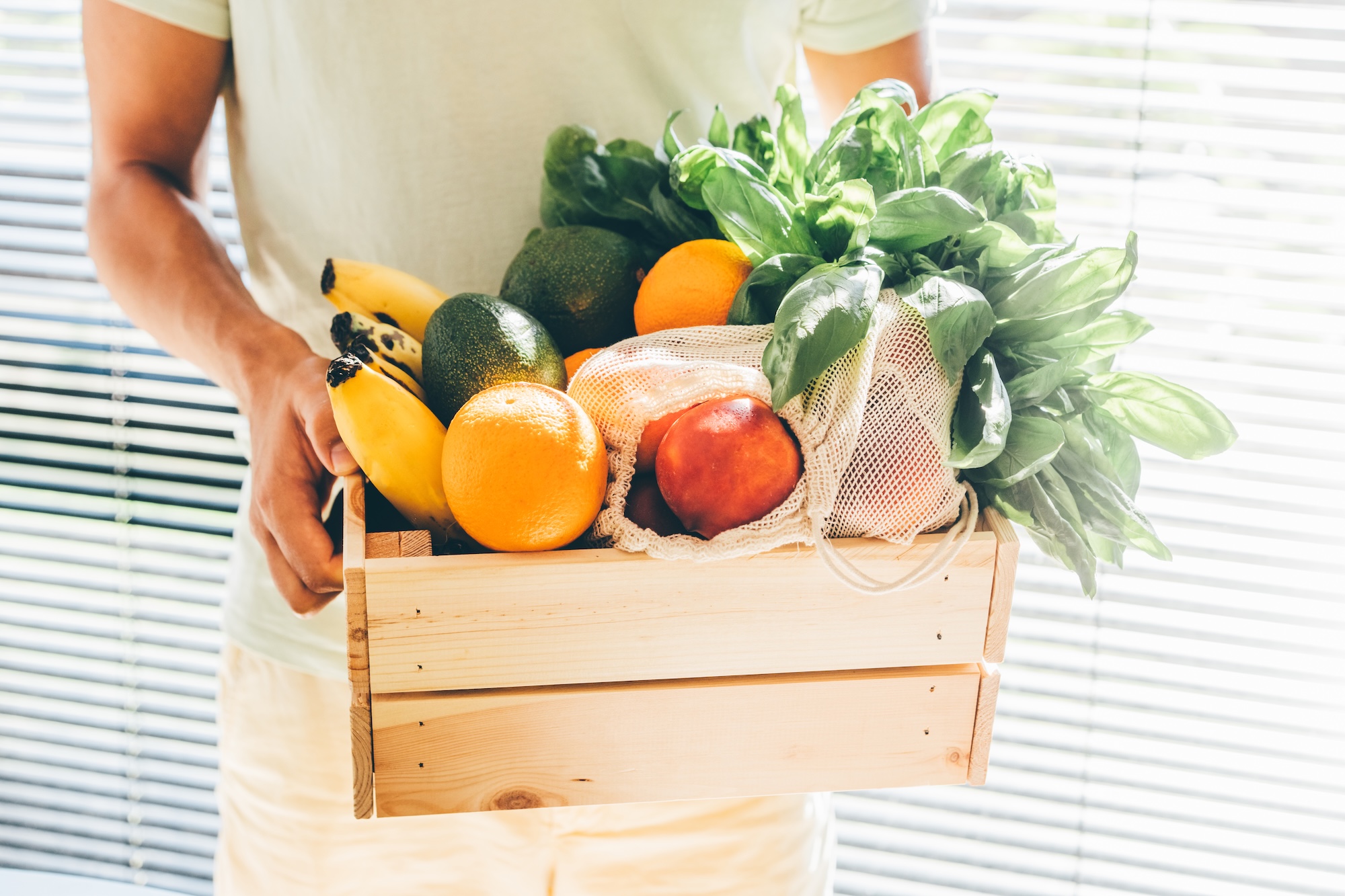
Another way to reduce your grocery bill (and support local producers) is by purchasing fruit and vegetable boxes that are delivered to your door. Farmers Pick, for example, delivers boxes of fruit and veggies that don’t meet the retail industry’s standard of ‘beauty’, but are otherwise perfectly edible and delicious. These are often sold at a considerable discount, and not only are you saving money, but you’re also doing your bit to help reduce waste.
Supermarkets such as Coles, Woolworths and Harris Farm also sell fruit and vegetables that are ‘imperfect’ or ‘odd’ at a cheaper price. Make sure you check the quantities as something may seem like it costs more but is actually cheaper due to the amount you’re buying. This brings us to…
Unit pricing
Simply taking a moment to compare unit pricing for the same food that could be packaged in different ways can amount to hefty savings.
Take mushrooms, for example. Woollies sells pre-packaged mushrooms for $7 per 500g, or $14 per kilo*, but if you opt for loose mushrooms that you simply ladle into a paper bag instead, you’re only paying $12.50 per kilo*. Plus, you’re reducing your use of plastic too!
Other cheaper non-packaged foods include:
- Meats, e.g. chicken breast from the butcher as opposed to packaged chicken breast
- Seafood from the deli section rather than packaged seafood
- Loose nuts that you bag yourself instead of packaged nuts.
Bulk up (when it makes sense)
It’s no surprise that buying in bulk can save you loads on your grocery bill (hello, Costo membership!), but you need to be smart about it! You don’t want to be stocking up on things you won’t use and that’ll eventually go to waste.
Items we recommend buying in bulk:
- Meat, mince, poultry and fish (the pricier items) – cut into meal-size portions and freeze in a zip-lock bag for future
- Rice, pasta, grains and cooking oil (the frequently used items) – these have a long shelf life so you won’t need to worry about waste
- Nuts, seeds, oats and dried legumes – store in airtight containers in your pantry.
Buying fresh produce in bulk at wholesale markets, e.g. Paddy's Markets Flemington in Sydney, can also add up to considerable savings. As these items are perishable, consider splitting the costs and shop with family, friends or neighbours.
PRO TIP: Spend 10 minutes during the week to plan out your meals to reduce excess spending on groceries – and use up those bulk ingredients!
Make meals go further
Instead of adding more meat into dishes, which can increase the cost per serve, extend your portions by including more legumes and vegetables in your meals.
For example, Steph recommends adding lentils or red kidney beans (each approx. $1 for a 420g* can) into mince-based dishes like spaghetti Bolognese, burrito bowls or shakshuka.
Other ways to make more for less include:
- adding frozen vegetables to curries
- chucking some frozen cauliflower into your dahl
- including a dried soup mix or can of four-bean mix into soups.
Adding extra vegetables or legumes won’t break the bank and you’ll be getting even more fibre and nutrients into your meals. And if you’re not a fan of frozen vegetables, try using grated carrots or zucchini instead.
PRO TIP: Don’t shy away from frozen fruit and veggies. When frozen soon after harvesting, all those valuable nutrients get locked in. Plus, they can be a great way to save on your grocery bill, especially if you’re eating out of season. That means you can still have your mango smoothie even in winter!
Final word
With a bit of planning, and just a few tweaks to your routine, you can still feed yourself and your family nutritious and delicious meals that don’t cost the earth (literally!).
Key takeaways:
- Shop in season
- Check the cost-per-unit price on items
- Visit your local grocers for cheaper deals on produce
- Use long-life bulk pantry goods in your weekly meals
- Plan your meals for the week
- Take a shopping list and stick to it
- Don’t grocery shop when hungry (that’s a recipe for impulse buying/overspending)!
Use these tips the next time you’re planning a grocery shop and enjoy the fruits (and veggies) of your labour.
*Prices correct as of 20/10/2025.
All information contained in this article is intended for general information purposes only. The information provided should not be relied upon as medical advice and does not supersede or replace a consultation with a suitably qualified healthcare professional.
Sources:
https://www.sbs.com.au/news/article/grocery-costs-biggest-rise-five-years-inflation-eases/v8gxqf9zo
https://www.sustainabletable.org.au/journal/seasonal-produce-guide
https://healthcheck.griffith.edu.au/is-fresh-produce-better-than-frozen/