


At CBHS we help you manage your health challenges. We believe in offering you the services, support and tools you need to live your best life.
Health and Wellness Programs are available to support eligible members towards a healthier lifestyle. Each Health and Wellness Program is subject to its own eligibility criteria.
Contact us for more information and to confirm your eligibility for a program.
The cancer screenings available to you right now
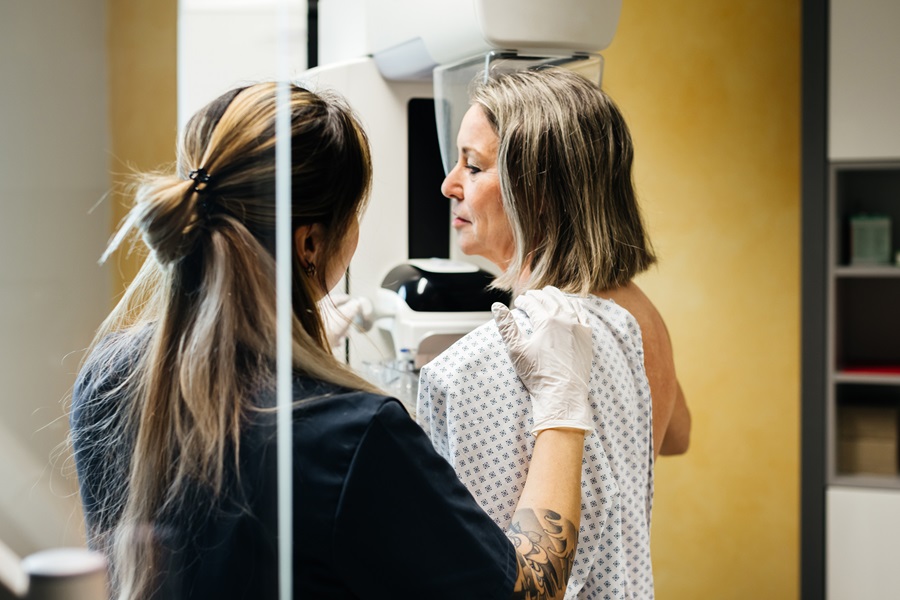
While we’re passionate advocates for helping you live a cancer-smart lifestyle, unfortunately, sometimes despite all the best prevention, cancer may still strike. However, your chances of survival and effective treatment are much higher if your cancer is detected early. It’s particularly important to be screened for cancers where you meet the risk factors, e.g. family history.
Cancer screening in Australia: what's available, how to access it and key symptoms to watch for
Bowel cancer
The fifth most diagnosed cancer in Australia, and the second deadliest, bowel cancer affects almost 15,000 Australians each year. And, while it can happen at any age, it becomes more common as you get older.
However, there has been a huge 266% increase in bowel cancer rates among young Australians (15-24) in the past 30 years.
While the following symptoms won’t always mean bowel cancer, if you experience any of these for two weeks or longer, please see your GP.
- Blood in your stool or rectal bleeding
Never ignore bright red or very dark blood in your stool - A recent, persistent change in bowel habits
Think looser, more diarrhoea-like stool, constipation, or going to the toilet more often, or irregularity if you’ve previously been regular - A change in shape or appearance of your stool
For example, narrower stool than usual or mucus in stool - Frequent pain or cramps
A feeling of fullness or bloating in the bowel or rectum - Unexplained anaemia
A low red blood cell count causing tiredness, weakness or weight loss. Your GP can test for this - A feeling that the bowel has not emptied completely after going to the toilet
- Pain or a lump in the anus or rectum
- Abdominal pain or swelling
- Family history of bowel cancer (aside from very elderly relatives).
Source: Bowel Cancer Australia
How do I get screened?
The screening process for bowel cancer is no longer scary or messy. In fact, a free and simple at-home test is available. The National Bowel Screening Program invites eligible people aged between 50-74 to take part in two-yearly screenings, sending an at-home test kit to your Medicare-listed address. People aged 45-49 can request their first screening kit at the National Cancer Screening Register website. The test - called the immunochemical faecal occult blood test (iFOBT) − looks for invisible traces of blood in your stool.
If you test positive, your GP will refer you for further tests, like a colonoscopy. Even if you get a negative result, it’s important to test every two years or talk to your doctor immediately if you develop bowel cancer symptoms.
If you aren’t eligible for the free national screening program but have concerns or symptoms, speak with your GP about what testing you may need.
Learn more
http://www.bowelcancer.org.au
https://www.cancer.org.au/cancer-information/types-of-cancer/bowel-cancer
https://www.cbhs.com.au/mind-and-body/blog/the-alarming-rise-in-young-bowel-cancer-cases--jess-is-turning-diagnosis-into-determination
Breast cancer
The chance of a woman in Australia developing breast cancer is around one in seven. It’s the most common cancer affecting Australian women and the second most common cancer to cause death in women, behind lung cancer. However, if found early, common forms of breast cancer generally have a good prognosis. When breast cancer is diagnosed through screening, it also reduces your chances of needing a mastectomy, which is breast removal surgery.
It’s important to remember that while it’s far less common, breast cancer is not a ‘women’s disease’ and men are not immune to it. One in 700 men in Australia will develop breast cancer in their lifetime.
You have a higher risk of developing breast cancer if you:
- are aged 50+
- have a family history of breast cancer or the inheritance of mutations in the genes (BRCA2, BRCA1 and CHEK2)
- use birth control pills
- have experienced weight gain or are carrying extra weight
- have high breast density
- drink alcohol – it can increase your risk of breast cancer by 30-50%
- have been diagnosed with breast cancer or other breast conditions in the past.
You can check other risk factors and possible symptoms at Cancer Council Australia.
How do I get screened?
Breast cancer screening takes place through a process called a mammogram, which is a low-dose breast X-ray. Even if you’re great at doing your regular breast checks, a mammogram can find cancers that are too small to feel.
BreastScreen Australia invites women aged 50–74 for a free mammogram every two years, while women aged 40–49 or 75+ can also access free mammograms but are not routinely invited and should discuss the benefits and risks with their doctor. Simply call 13 20 50 to organise a free mammogram.
Mammograms are not routinely recommended for women under 40, so if this is you and you have a family history of breast or ovarian cancer, or are worried about symptoms, talk to your GP to discuss the most appropriate care.
If your mammogram returns an abnormality, you’ll be referred for further tests to identify if there’s cause for concern.
Learn more
https://www.bcna.org.au/
https://www.cancer.org.au/about-cancer/types-of-cancer/breast-cancer/
Prostate cancer
Prostate cancer is estimated to be the most diagnosed cancer for males in our country. One in every five Australian men will be diagnosed with prostate cancer in their lifetime.
You're more at risk of developing prostate cancer if you:
- are 50+ years old
- have a father, brother or son diagnosed with prostate cancer prior to age 60
- have a family history of prostate, breast or ovarian cancer, in particular the BRCA1 and BRCA2 gene mutations.
How do I get screened?
Many men feel unsure about prostate cancer screening. If you’re concerned, your GP can talk you through your options. A blood test that measures prostate-specific antigen (PSA) may be offered, but it’s important to discuss the potential benefits and risks first, as the test isn’t suitable for everyone. A digital rectal exam is now no longer recommended for men who don’t have symptoms.
If you are showing symptoms of prostate cancer, speak to your GP about next steps.
Learn more
https://www.cancer.org.au/cancer-information/types-of-cancer/prostate-cancer
https://www.prostate.org.au/
Cervical cancer
Cervical cancer is one of the most preventable cancers, and Australia is on track to become the first country in the word to eliminate cervical cancer. Since a national screening program for cervical cancer began in 1991, the incidence and mortality rates due to cervical cancer have halved in Australia. With the 2017 introduction of an improved Cervical Screening Test in place of the pap smear test, it is expected that cervical cancer rates and deaths will decline by at least a further 20%.
You're more at risk of developing cervical cancer if you:
- have had persistent infections of the human papillomavirus (HPV)
- are a smoker
- have family history of cervical cancer
- have a weakened immune system
You can check other risk factors at Cancer Australia.
How do I get screened?
The Cervical Screening Test offers women aged 25-74 a simple screening test every five years. A GP will be able to perform this quick test, which will feel the same to you as a pap smear.
If your last test was a pap smear, have the new cervical screening test after two years. After that, you can move to the standard five-year screening schedule.
You also have the choice to collect your own Cervical Screening Test sample under the supervision of a healthcare professional. If you are eligible, your provider will give you a cotton swab, instructions and a private space such as a bathroom to self-collect your sample. You can also sign up for SMS reminders when your next screening test is due.
See your GP if you have any symptoms or to find out your next recommended screening date.
Learn more
https://www.cancer.org.au/cervicalscreening/
https://www.cancer.org.au/cancer-information/types-of-cancer/cervical-cancer
https://www.ncsr.gov.au/information-for-participants/participant-portal/
What will it cost me to be screened?
Ask your health care provider if they can bulk bill you for any services, as a Medicare cardholder. Also, CBHS members with Extras or package cover may be eligible for wellness benefits on health checks and health management services. Check your benefits on our CBHS app or in the Member Centre.
Note - if a service is claimed with Medicare, you won’t be able to claim it with CBHS as well.
All information contained in this article is intended for general information purposes only. The information provided should not be relied upon as medical advice and does not supersede or replace a consultation with a suitably qualified healthcare professional.
Sources:
https://www.bowelcanceraustralia.org/
https://www.bowelcanceraustralia.org/bowel-cancer/early-onset/
https://www.cancer.org.au/cancer-information/types-of-cancer/bowel-cancer
https://www.cancer.org.au/bowelscreening
https://www.bcna.org.au/resources/about-breast-cancer/breast-cancer-statistics-in-australia
https://www.aihw.gov.au/reports/cancer/cancer-data-in-australia/contents/overview#breast
https://australianbreastcancer.org.au/about-breast-cancer/awareness-and-statistics/
https://www.cancer.org.au/cancer-information/types-of-cancer/breast-cancer
https://www.cancer.org.au/cancer-information/types-of-cancer/prostate-cancer
https://www.canceraustralia.gov.au/cancer-types/cervical-cancer/cervical-cancer-australia-statistics
https://www.cancer.org.au/cervicalscreening/what-do-i-need-to-know-about-the-test/self-collection
https://www.cancer.org.au/cervicalscreening
https://www.cbhs.com.au/member-health/healthy-living#wellness
https://www.aihw.gov.au/reports/cancer/cancer-data-in-australia/contents/overview