


At CBHS we help you manage your health challenges. We believe in offering you the services, support and tools you need to live your best life.
Health and Wellness Programs are available to support eligible members towards a healthier lifestyle. Each Health and Wellness Program is subject to its own eligibility criteria.
Contact us for more information and to confirm your eligibility for a program.
Strong again: reclaiming your fitness after injury

Injuries like strains, sprains, and non-specific lower back pain can feel like significant setbacks, but they don’t have to derail your fitness journey. Whether it’s a torn hamstring or a persistent back pain, you can safely return to exercise with the right approach, mindset, and professional guidance.
Let’s explore how to overcome fear and uncertainty, rebuild strength, and regain your fitness mojo after an injury.
Common injuries that can impact your fitness journey
Injuries can happen to anyone at any time. Some of the most common include:
- Back injuries: issues like bulging discs, muscle strain, or non-specific low back pain (NSLBP) can limit mobility and affect quality of life
- Sprains and strains: injuries to ligaments (sprains) or muscles and tendons (strains) are frequent setbacks
- Tendonitis: inflammation of the tendons can make movement painful
- Rotator cuff injuries: tears or inflammation around the shoulder, often limiting upper-body movements
- Carpal tunnel syndrome: caused by anything that make the nerves in your hand and wrists larger or smaller, a common cause is repetitive hand and wrist movements
- Plantar fasciitis: heel pain from inflammation of the plantar fascia, common in runners.
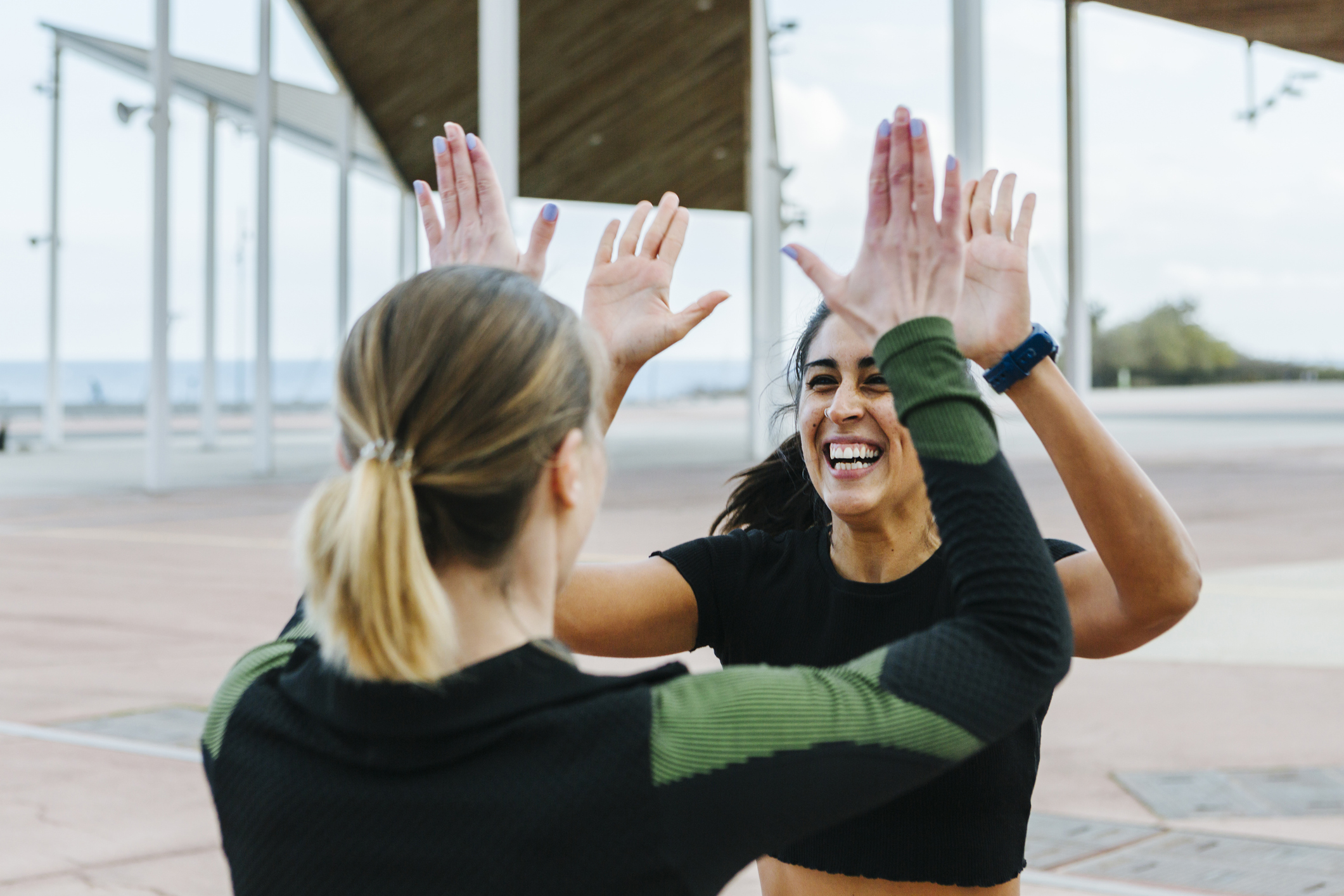
When to return to exercise after an injury
Recovering from an injury, like a sprain or strain, begins with the acute phase, where your main priority is to reduce swelling and allow your body to start healing. For the first few days, usually, rest is the best thing. Often your health professional will recommend the RICE method: rest, ice, compression and elevation. During this time, avoid any activity that could worsen the injury and seek professional help if necessary. After about 72 hours, once the swelling decreases, you can introduce gentle, pain-free movements to prevent stiffness and encourage blood flow to the injured area.
As you progress further into the sub-acute phase, the focus shifts to rebuilding strength, stability, and mobility. This phase can last several weeks to months, depending on the injury’s severity. Engaging a professional, such as a physiotherapist or exercise physiologist, early in your recovery is crucial. They’ll guide you through a structured program, starting with gentle movements and progressing to strength-building and functional exercises. By around six weeks, you’ll likely be working on restoring stability and preparing for a return to regular activities or sports.
During this phase a different approach, such as the LOVE or MEAT protocols, can help kickstart recovery. The LOVE protocol stands for:
- Load: gradually add body weight to the injured area and return to normal activities as symptoms allow but stop if pain worsens.
- Optimism: maintaining a positive mindset can play a big role in healing. Avoid negative emotions like fear or catastrophising, as they may slow your progress.
- Vascularisation: begin pain-free aerobic exercises a few days after injury to boost blood flow and motivation.
- Exercise: early, gentle exercise helps restore balance, mobility, and strength, reducing the risk of reinjury.
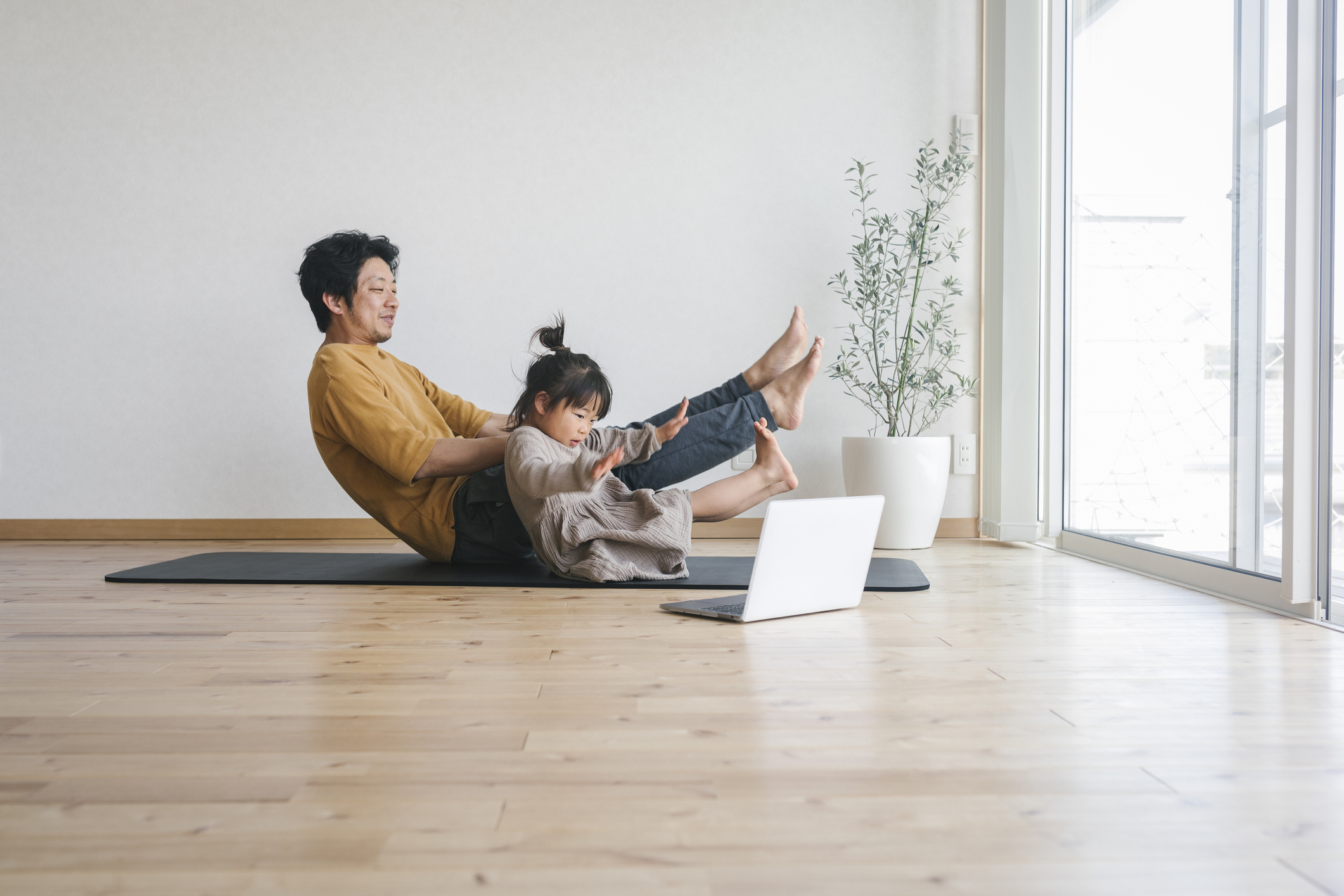
Similarly, the MEAT protocol focuses on movement and active care:
- Movement: gentle, controlled movements help remove fluid and support tissue repair.
- Exercise: once pain improves, introduce targeted exercises to enhance circulation and support healing.
- Analgesia: use pain management techniques like Tylenol (instead of NSAIDs, which may delay healing) to keep discomfort in check.
- Treatment: consider therapeutic techniques like kinesiology taping, acupuncture, or soft tissue therapy to aid recovery.
Every injury is unique, and protocols should be tailored to your situation, ideally with guidance from a trained healthcare professional. Getting expert advice early on can make a huge difference in your recovery. A professional will help you avoid reinjury and ensure you’re moving at the right pace for your body.
Managing non-specific low back pain
For those dealing with NSLBP, movement is vital. While it may feel natural to guard your back, immobility can make things worse. Here are some tips:
- Start small: try mobility exercises like cat-cow stretches, pelvic tilts, or hamstring stretches
- Low-impact exercises: activities like walking, swimming, or using a bent bike can maintain cardiovascular health without straining your back
- Hydrotherapy: exercising in water can reduce pressure on the spine and promotes safe movement
- Professional support: a chronic disease management plan through your GP may offer subsidised sessions with physiotherapists or exercise physiologists. You can also reach out to CBHS and see if your Extras include those benefits.

Rebuilding motivation after a long break
If it’s been years since your last workout, getting started may feel overwhelming. Here’s how to ease back into exercise:
- Set realistic goals: write down what you want to achieve and believe in your ability to succeed
- Prioritise health: treat exercise as a non-negotiable part of your routine
- Find your fit: experiment with activities like yoga, walking, boxing, or even aerial fitness to discover what you enjoy
- Seek professional help: connect with an exercise physiologist or trainer to create a personalised plan.
The safest strategy to return to exercise
- Complete your rehab: follow early rehabilitation exercises consistently
- Progress gradually: accept where you are now and build strength step by step
- Engage professionals: consult with an exercise physiologist, physiotherapist, or dietitian to guide your recovery
- Prioritise nutrition: support healing with a diet rich in omega-3s, protein, and unprocessed foods.
Turning obstacles into opportunities
Recovering from an injury is not just about physical healing, your mindset matters too. A growth mindset — focusing on learning and improvement—can help you overcome fear and uncertainty. Start small, stay consistent, and celebrate your progress.
Consistency with rehabilitation exercises and progressing at a pace that feels right for your body is key. With the right guidance and determination, you can reclaim your fitness and become stronger than ever before.
All information contained in this article is intended for general information purposes only. The information provided should not be relied upon as medical advice and does not supersede or replace a consultation with a suitably qualified healthcare professional.
Sources:
https://www.healthdirect.gov.au/back-injuries
https://www.who.int/news-room/fact-sheets/detail/low-back-pain
https://www.betterhealth.vic.gov.au/health/conditionsandtreatments/sprains-and-strains
https://www.healthdirect.gov.au/tendinitis
https://pmc.ncbi.nlm.nih.gov/articles/PMC4049052/#ref50
https://www.healthdirect.gov.au/plantar-fasciitis
https://www.healthdirect.gov.au/carpal-tunnel-syndrome
https://www.physio-pedia.com/Stages_of_a_Condition_/_Injury#cite_note-:0-1
https://www.verywellhealth.com/what-is-rice-190446
https://theconversation.com/walking-can-prevent-low-back-pain-a-new-study-shows-231682