


At CBHS we help you manage your health challenges. We believe in offering you the services, support and tools you need to live your best life.
Health and Wellness Programs are available to support eligible members towards a healthier lifestyle. Each Health and Wellness Program is subject to its own eligibility criteria.
Contact us for more information and to confirm your eligibility for a program.
Fuelling on GLP-1s
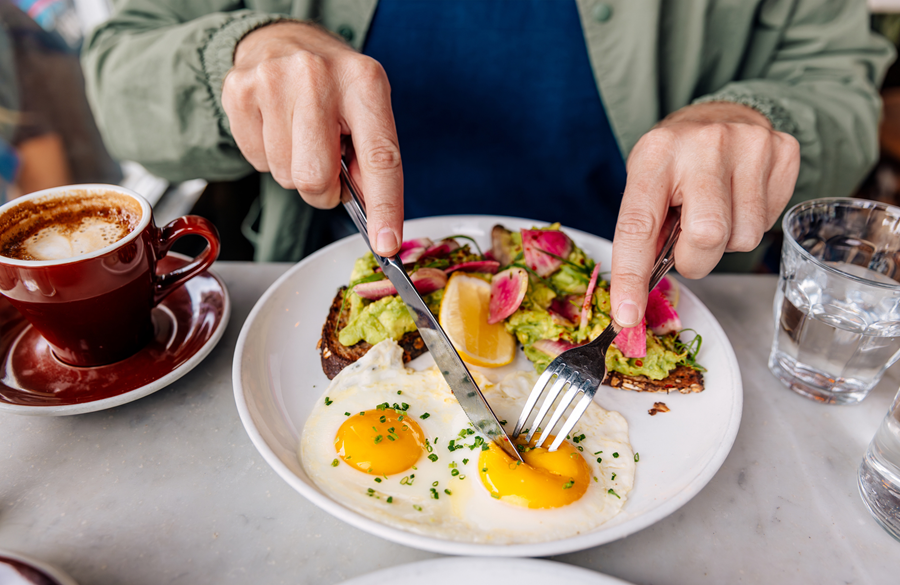
If you’ve been prescribed a GLP-1 medication, you may find that your appetite decreases dramatically and you feel full after eating a lot less food than usual. While this can support weight loss, it can also make it difficult to maintain a nutritious diet.
Even when your appetite is reduced, maintaining a healthy, balanced diet remains important to ensure your body gets the nutrients it needs to function each day.
CBHS dietitian Megan shares some practical tips on how to get the most out of the foods you eat while taking GLP-1 medications, and how to help minimise common side effects like heartburn and acid reflux.
- Make every mouthful count: If you’re eating significantly less than usual, it’s important to prioritise nutrient-dense foods so your body still receives essential vitamins, minerals and protein.
- Eat small, balanced meals more frequently: GLP-1 medications slow the rate at which the stomach empties, which can make large meals uncomfortable and sometimes lead to nausea. Instead, try eating 5-6 smaller, balanced meals throughout the day that include lean protein, wholegrains, fruits and vegetables. Examples include scrambled eggs and avocado on wholegrain toast, grilled or baked chicken with brown rice and vegetables, or plain Greek yoghurt with berries, nuts and seeds. For more ideas, check out the dietitian-approved recipes on our website.
- Get enough protein: Protein plays an important role in preserving lean muscle mass during weight loss. Aim for around 1.2–1.6g of protein per kilogram of body weight daily from sources such as eggs, fish, chicken, Greek yoghurt, cottage cheese, tofu, beans or legumes. Supplements such as protein powder may also help if you're finding it hard to get what you need through food alone. Try one of these delicious high-protein recipes:
- No-bake peanut butter protein bars
- High protein veg-packed nachos
- High-protein veggie egg cups
- Creamy vanilla protein oatmeal
- Vegetarian protein-loaded bolognese
- Include plenty of fibre: Fibre can help prevent constipation, one of the most common side effects of GLP-1 medications. Fibre-rich foods include oats, berries, brown rice, quinoa, green vegetables, lentils and legumes. If needed, fibre supplements such as psyllium husk, Benefiber or Metamucil may also be helpful.
- Add healthy fats: Foods such as avocados, nuts and olive oil provide monounsaturated and polyunsaturated fats that support brain and heart health. As they’re nutrient-dense but low in volume, they can help you meet your nutritional needs without leaving you feeling uncomfortably full. They may also help reduce fatigue or brain fog, which some people experience while taking GLP-1 medications.
- Stay hydrated: Aim to drink around 2-3L of water per day to keep your energy levels up, cells hydrated and help reduce the risk of constipation and nausea.
- Limit foods and drinks that may worsen side effects: Greasy, sugary and highly processed foods, soft drinks and alcohol can increase nausea and digestive discomfort such as heartburn and acid reflux. They also lack nutrients, so they’ll fill you up, leaving less room for nutritious foods. Spicy foods and excess caffeine can also aggravate symptoms for some people.
Further reading:
- Prescription weight loss medications: A guide to GLP-1s, CBHS
- Nutrition for maintaining muscle while taking GLP-1 RAs, Healthed
- Australian guide to healthy eating, eatforhealth.gov.au
All information contained in this article is intended for general information only. It is not medical advice and is not a substitute for advice from your doctor, pharmacist or other qualified health professional. Treatment decisions, including whether any prescription medicine is appropriate, should be made with your treating clinician. Any information about benefits or cover is subject to your policy terms, conditions, limits, exclusions and claiming rules.
Sources
https://www.heartfoundation.org.au/healthy-living/healthy-eating/fats-oils-and-heart-health
https://www.cbhs.com.au/mind-and-body/blog/how-much-water-do-we-need