


At CBHS we help you manage your health challenges. We believe in offering you the services, support and tools you need to live your best life.
Health and Wellness Programs are available to support eligible members towards a healthier lifestyle. Each Health and Wellness Program is subject to its own eligibility criteria.
Contact us for more information and to confirm your eligibility for a program.
Hormone-healthy nutrition during menopause
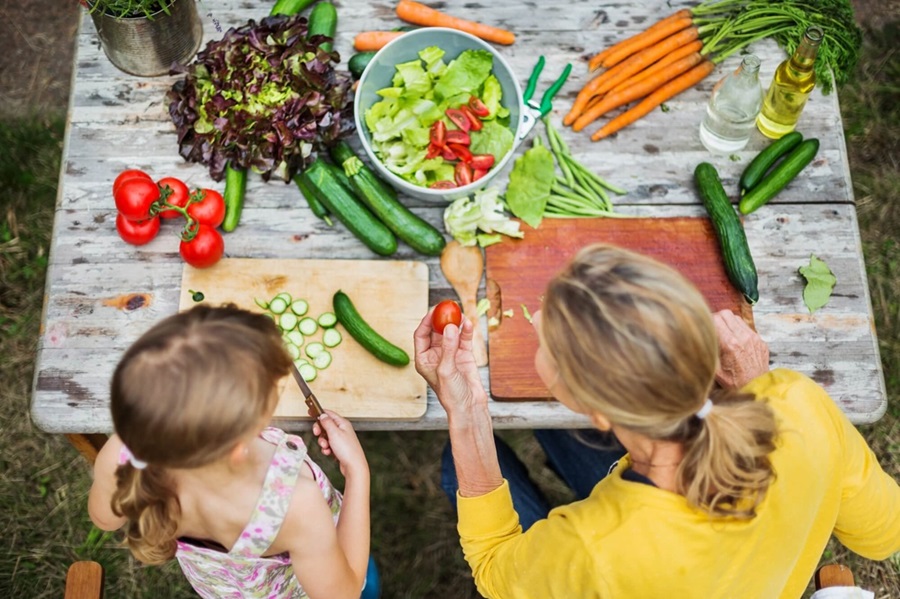
Menopause is a natural part of ageing, but it often comes with hormonal changes that can affect your body’s nutrient requirements. A hormone-supportive diet can help manage symptoms, reduce inflammation and promote your overall health. Let’s dive deep into the essential nutrients, beneficial foods, recommended daily intakes and practical meal swaps that can help support your hormone health during the phases of menopause.
Omega-3s and anti-inflammatory foods
During menopause, women experience drops in the hormone oestrogen. This can show up as a range of symptoms and can increase the risk of heart disease and inflammation in your body. Ongoing imflammation can lead to other chronic diseases like non-alcoholic fatty liver, insulin resistance, visceral obesity (fat around your vital organs – around your waist) and others. Omega-3 fatty acids and anti-inflammatory foods play an essential role in balancing inflammation and supporting heart health. Studies link omega-3 fats with lower cholesterol levels and reduced risk of cardiovascular disease.
To enhance inflammation-fighting antioxidants, focus on a colourful array of fruits and vegetables, like berries, leafy greens and root vegetables. Nuts and seeds (walnuts, chia seeds, flaxseeds) offer additional omega-3s and beneficial fats.
Food swaps to try:
- Savoury swap: opt for grilled fish with a side salad instead of fried fish and chips
- Sweet swap: replace banana bread with overnight oats or chia pudding, which are rich in fibre and omega-3s.
Omega-3 sources:
- Oily fish like salmon, mackerel, sardines and herring – aim for at least two servings per week
- Plant-based sources: flaxseeds, chia seeds, walnuts and algae oil
- Look for omega-3-fortified products, such as eggs and dairy.
Anti-inflammatory foods:
- Colourful fruits and vegetables: blueberries, spinach, kale and capsicum are packed with antioxidants
- Herbs and spices: turmeric, ginger and garlic add flavour while reducing inflammation.
Phytoestrogen
Phytoestrogen, also known as ‘plant oestrogen’, is found in plant foods like soy and flaxseed. It mimics oestrogen’s effects in the body, and research shows that it may help reduce hot flushes, sleep disturbances and other menopause symptoms.
However, not all women benefit equally from soy. About one-third of people have gut bacteria capable of converting soy isoflavones into equol, a compound that more closely resembles oestrogen.
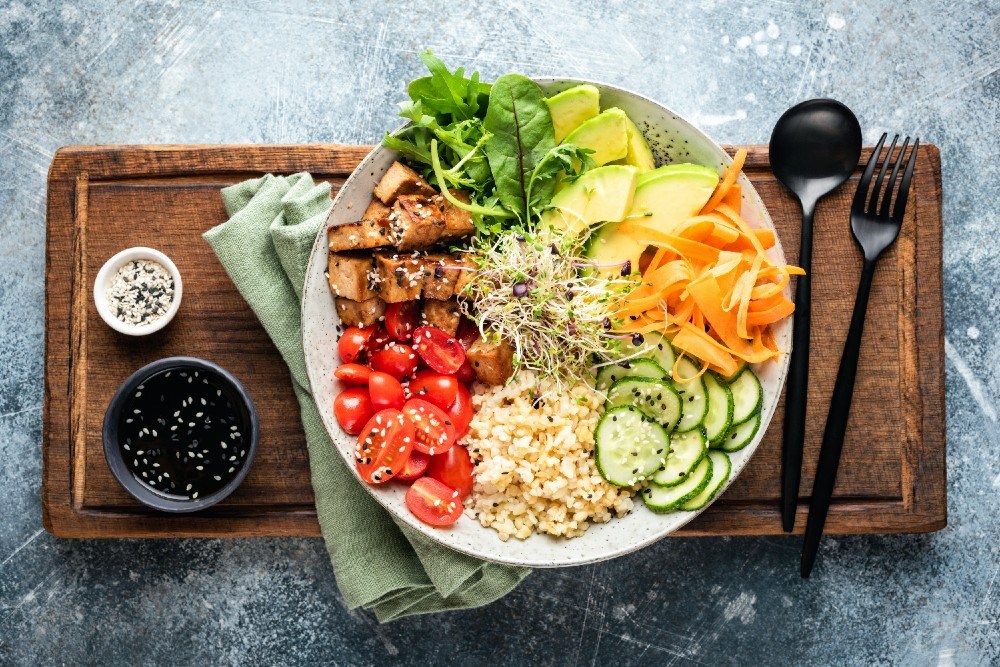
Whole soy foods – such as tofu, tempeh, soy milk and edamame – are good options that provide isoflavones, a type of phytoestrogen associated with improved cardiovascular health and bone health.
Soy tips:
- Recommended: whole soy foods like tofu and soy milk made from whole soybeans
- Avoid: highly processed soy protein isolates or supplements. They may act differently in the body and lack the health benefits of whole soy.
Other phytoestrogen-rich foods:
- Wholegrains: oats, barley, brown rice
- Legumes: chickpeas, lentils, beans
- Seeds and nuts: flaxseeds, sesame seeds, sunflower seeds
- Sprouts: alfalfa and sprouted soybeans.
Recommended daily intake: Around 30-50mg of isoflavones.
Examples include:
- Half a cup of soybeans: 40-75mg isoflavones
- 115g tofu: 13-43mg isoflavones
- 110g tempeh: 41mg isoflavones
Stick to whole soy foods and avoid processed soy protein isolates and supplements. And always consult your GP if you have concerns.
Try some of these recipes:
- Miso tempeh veggie bowl
- Crispy tofu and kale grain salad with lemon dressing
- Nourish bowl for on the go
- Roasted cauliflower and chickpea salad
Dietary fats and Mediterranean diet
A Mediterranean-style diet, rich in vegetables, fruits, whole grains, lean proteins and healthy fats, aligns well with hormone health. As olive oil and omega-3-rich foods help reduce the free radicals that can drive inflammation, the diet is associated with a lower risk of heart disease and chronic inflammation.
Key components of the Mediterranean diet:
- Lean protein: chicken, fish, beans and legumes are excellent protein sources
- Whole grains: choose options like quinoa, farro, barley and whole-wheat pasta
- Healthy fats: drizzle of olive oil, nuts and fatty fish
- Vegetables: leafy greens, capsicum, tomatoes and olives.
Mediterranean-style recipes:
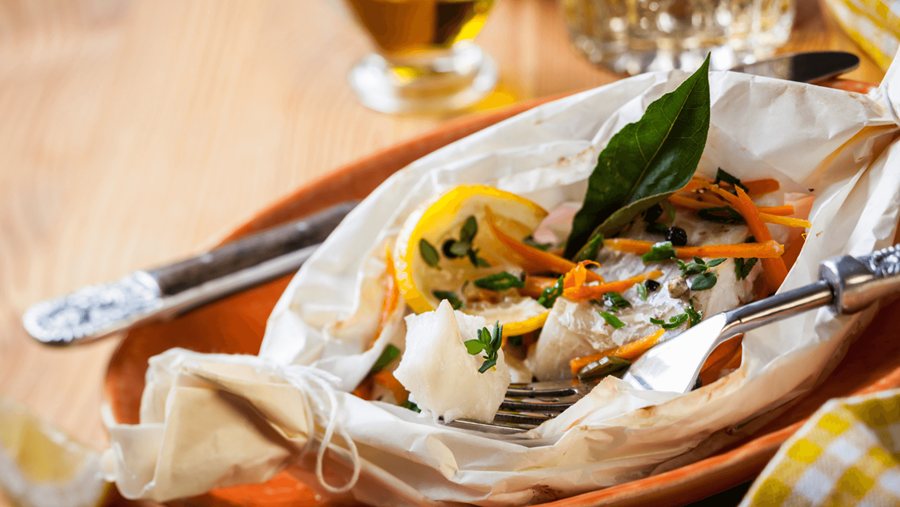
- Paper parcel baked Mediterranean fish
- Mediterranean tuna salad
- Mediterranean grain salad
- Falafel and tzatziki salad bowl
Try to avoid trans fats and limit saturated fats from cold meats, pastries and fried foods. Also, prioritise fibre-rich, minimally processed foods when adopting a Mediterranean-inspired diet and swap refined carbohydrates, such as white bread and pasta, for low-GI options, like wholegrain bread, brown rice and sweet potato. Foods with a lower glycaemic index (low-GI) help maintain blood sugar levels, and can keep you fuller for longer, which can aid weight management.
Calcium, vitamin D and magnesium
Bone density (thickness) naturally declines along with our oestrogen levels, so calcium, vitamin D and magnesium are important nutrients to add to your diet.
The risk of osteoporosis increases post-menopause, so maintaining healthy bones is crucial. Calcium helps maintain bone strength, and can be found in dairy, leafy greens, almonds and tofu.
Did you know 73% of females consume less calcium than the daily recommendation?
Daily guidelines for bone health:
- Calcium: 3 servings of dairy or fortified alternatives (around 1,300 mg daily).
Calcium sources:
- Dairy: milk, yoghurt and cheese are calcium-rich options
- Non-dairy: leafy greens (kale, broccoli), almonds and fortified plant-based milk (almond, soy).
Calcium-rich snack ideas:
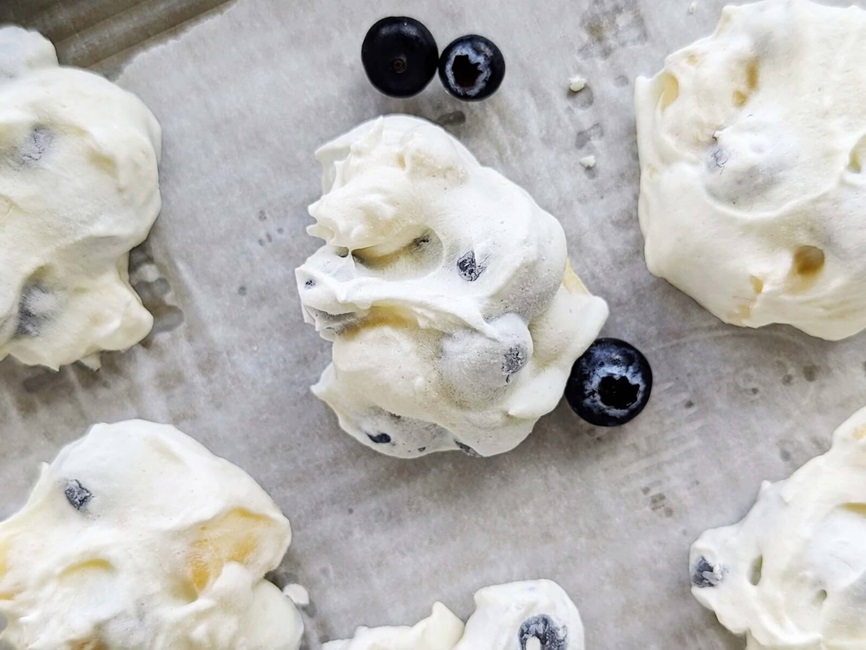
- Frozen yoghurt bites
- Nice cream 3 ways
- Toasted trail mix
- Almond and raspberry breakfast bowl
- For plant-based versions of the above recipes, simply replace the milk for calcium-fortified almond milk, or your favourite alternative fortified milk.
Vitamin D and magnesium play a crucial role in bone health, mood regulation and immunity. They also support each other’s absorption, along with calcium.
Magnesium may also help with sleep problems and reducing stress, as well as helping to regulate muscle and nerve function.
Daily guidelines for bone health:
- Vitamin D: 600-800 IU. Most people get enough vitamin D from sun exposure. However, consult with your doctor if you're unsure.
- Magnesium: women over 50 need around 320mg daily.
Source of vitamin D and magnesium:
- Vitamin D: fatty fish (salmon, tuna, mackerel), fortified dairy products, egg yolks, or sun exposure – 10 to 30 minutes of sunlight exposure several times a week can boost vitamin D levels. You can also sunbathe your mushrooms.
- Magnesium: leafy greens, nuts, seeds and whole grains. Try adding a handful of nuts or seeds to meals for a natural boost.
Protein
Protein supports muscle mass and can help counteract age-related muscle loss. As muscle mass is key to metabolic health, it may help to maintain a healthy weight during menopause.
Aim for a source of protein with each meal to help with feeling full and preserve lean muscle. Lean meats, eggs, dairy, legumes, and plant-based sources (like tofu and tempeh) are excellent options.
Protein food sources:
- Lean meats: chicken, turkey, lean beef
- Fish: salmon, sardines, tuna
- Plant-based proteins: lentils, beans, chickpeas, tofu
- Nuts and seeds: almonds, chia seeds, hemp seeds, pumpkin seeds.
Protein-rich meal ideas:
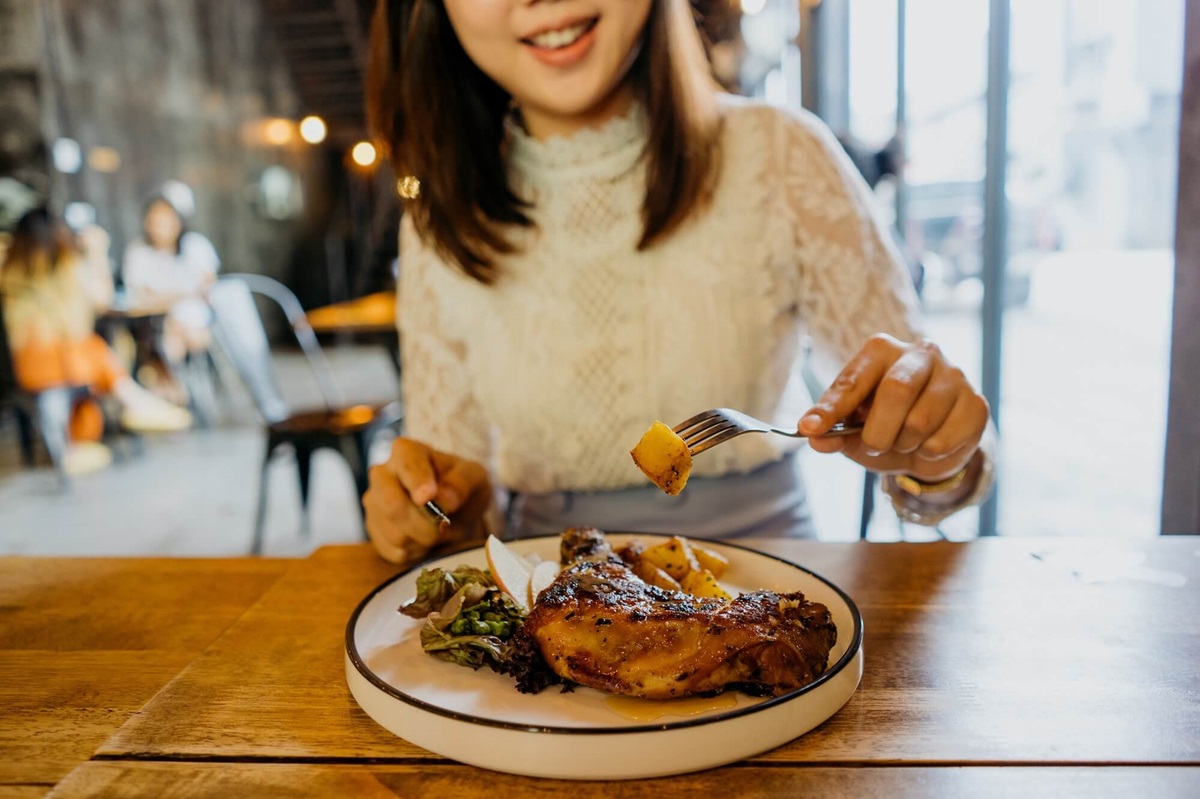
- Add a serving of protein to each meal, such as scrambled eggs for breakfast, a chickpea salad for lunch and grilled chicken for dinner.
Snack ideas:
- Cottage cheese with fruits
- Greek yoghurt with nuts
- Hummus with veggie sticks
Daily guidelines:
- Aim for 20-30g of protein per meal to support muscle health and satiety.
Practical food swaps
Eating a healthy diet doesn’t need to be an overwhelming shift, small swaps can make a big difference.
Breakfast: switch from white toast and jam to wholegrain toast with avocado, or porridge topped with berries.
Lunch: instead of battered fish and chips, try grilled fish with roasted vegetables.
Dinner: rather than pizza, try a wholegrain pita with tomato, veggies and low-fat cheese.
Snacks: keep nuts or a healthy muesli bar with seeds at hand. Homemade options, like bliss balls or banana bread with flaxseed, are a healthier alternative to store-bought treats.
Desserts: swap milk chocolate for Greek yoghurt mixed with cacao powder and chia seeds for a nutrient-rich treat. Drizzle with honey if you like.
Small swaps can add up to big changes over time. The important thing is to start slowly, so you can maintain this new lifestyle. Experiment with healthy options that fit your taste buds and lifestyle.
More recipes to try
Try out these recipes created by our dietitians to support hormone health during the stages of menopause.
5 hormone-healthy tips
- Prioritise omega-3-rich foods and antioxidants to reduce inflammation.
- Include whole soy foods for potential relief from hot flushes and to support heart and bone health.
- Adopt a Mediterranean-style eating approach for overall wellness.
- Ensure sufficient calcium, vitamin D and magnesium for healthy bones.
- Incorporate high-quality protein at each meal to maintain muscle mass.
Remember to consult your GP or dietitian for personalised guidance before adopting a new diet, especially if you are considering adding supplements. You may be entitled to claim benefits towards a dietitian through your CBHS Extras, so it’s worth checking what you’re covered for.
All information contained in this article is intended for general information purposes only. The information provided should not be relied upon as medical advice and does not supersede or replace a consultation with a suitably qualified healthcare professional.
Sources:
https://www.heartresearch.com.au/menopause-and-nutrition/
https://www.jeanhailes.org.au/health-a-z/menopause/about-menopause#hormones-and-menopause
https://www.heartfoundation.org.au/healthy-living/healthy-eating/fats-oils-and-heart-health
https://www.betterhealth.vic.gov.au/health/healthyliving/antioxidants
https://www.menopausecentre.com.au/phytoestrogens
https://pubmed.ncbi.nlm.nih.gov/38613113/
https://www.betterhealth.vic.gov.au/health/healthyliving/calcium
https://www.betterhealth.vic.gov.au/health/conditionsandtreatments/menopause-and-osteoporosis
https://www.cbhs.com.au/mind-and-body/blog/bone-health
https://www.cbhs.com.au/mind-and-body/blog/5-immunity-strengthening-foods-nutrients
https://ods.od.nih.gov/factsheets/VitaminD-HealthProfessional/
https://www.betterhealth.vic.gov.au/health/healthyliving/protein
https://www.totalwellbeingdiet.com/media/1904/2018-csiro-protein-balance-report.pdf
https://www.betterhealth.vic.gov.au/health/healthyliving/fish#amount-of-omega-3-fatty-acids-in-fish
https://www.menopause.org.au/health-info/fact-sheets/maintaining-your-weight-and-health
https://www.jeanhailes.org.au/news/foods-for-menopause
https://www.csiro.au/en/news/all/articles/2021/may/top-nutrition-tips-for-menopause